

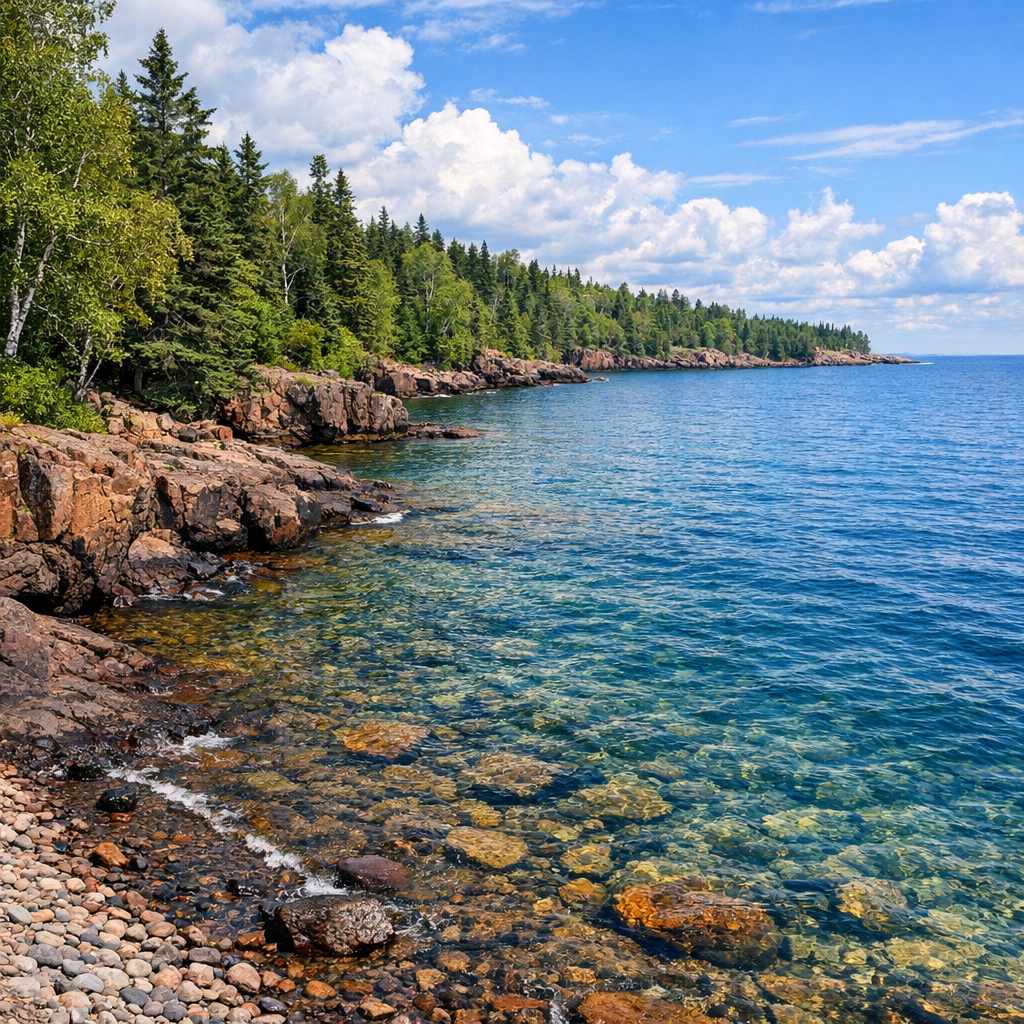
Lake Superior, the largest of the Great Lakes, is a vital natural resource for communities like Two Harbors. Its pristine waters and diverse ecosystems are integral to our local environment and economy. However, Lake Superior faces several environmental challenges that require our attention and action.
Pollution Concerns
Despite its remote location and limited industrial activity, Lake Superior is not immune to pollution. The lake receives most of its contaminant loadings via atmospheric deposition, especially concerning PCBs, mercury, and toxaphene. Additionally, shoreline development, including the construction of recreational homes, poses a significant threat to the lake’s health. For instance, the Keweenaw Peninsula has experienced unprecedented growth in the past two decades, with 50% of homes now classified as recreational or second homes.
Invasive Species
Invasive species disrupt Lake Superior’s delicate ecosystem. Non-native species like the sea lamprey and Eurasian ruffe have negatively impacted native fish populations. The introduction of these species, often through ballast water from ships, has led to competition for resources and habitat, threatening the survival of indigenous aquatic life.
Climate Change Impacts
Climate change is already affecting Lake Superior and its surrounding environment. Increasing air and water temperatures lead to higher evaporation rates, declining lake levels, and worsened water quality. These changes make the lake more suitable for invasive species, dry out coastal wetlands that filter pollution, expose toxic sediment pollution, and increase the number of intense storms leading to sewage overflows.
Community Action
Addressing these challenges requires a concerted effort from local communities, policymakers, and environmental organizations. Initiatives such as monitoring water quality, controlling invasive species, and implementing sustainable development practices are crucial. By staying informed and involved, residents of Two Harbors can play a significant role in preserving the health of Lake Superior for future generations.